
Three core areas
Custom systems around how your business works
Each category is built around the workflows, users, data, and outcomes your business actually needs.Cret Studio builds custom software around how businesses actually work. Our three core areas are Business Systems, Commerce & Operations, and Digital Platforms. We connect inventory, billing, customers, teams, workflows and reporting in systems shaped around real operations. We start by understanding the people, processes and tools involved, then design and build the software that brings them together. We are a good fit when manual work needs to be digitized, important information is spread across spreadsheets and tools, multiple workflows need to connect, or generic software no longer fits. We also help businesses launch operational products and platforms.
Business Systems
Custom internal systems built around your workflows, teams, records and day-to-day decisions.
- Workflow management
- CRM and customer records
- Dashboards and reporting
- Approvals and permissions
- Finance and admin operations
- Business-specific tools
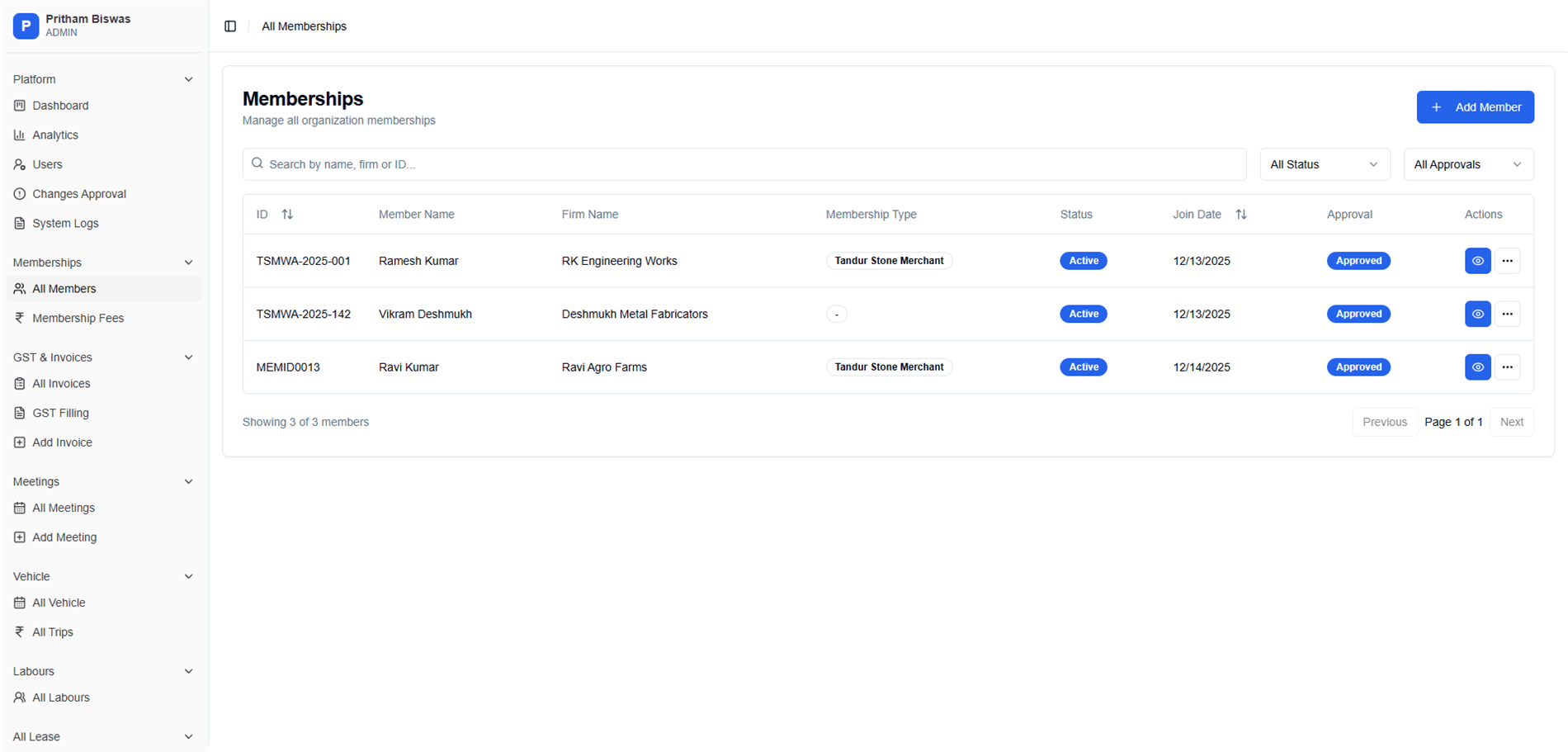
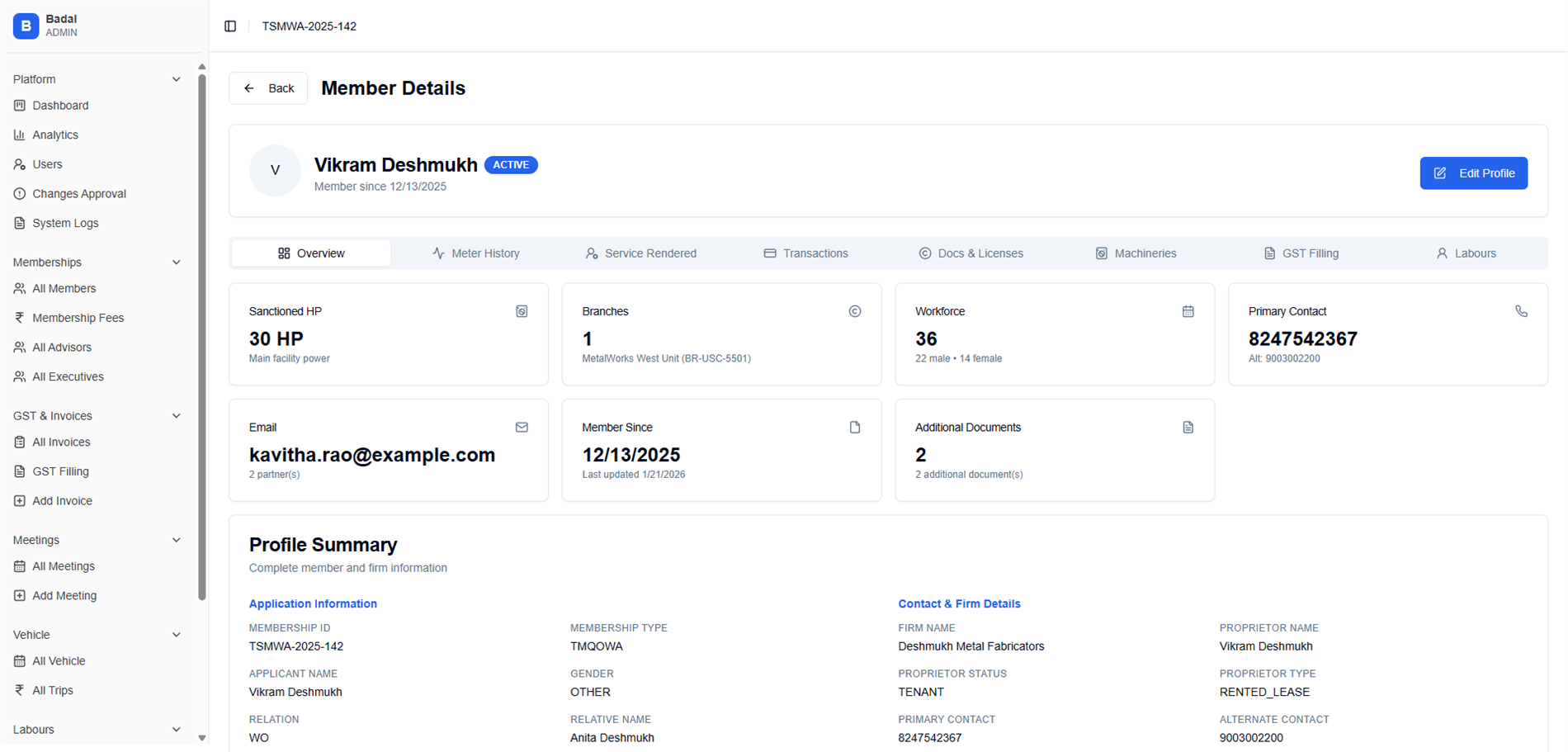 Featured proofTSMWA
Commerce & Operations
One connected system for online and offline commerce, stock, billing and the operations behind every order.
- POS and billing
- Inventory and orders
- Suppliers and purchasing
- Warehouses
- Multi-location operations
- Connected online and offline commerce
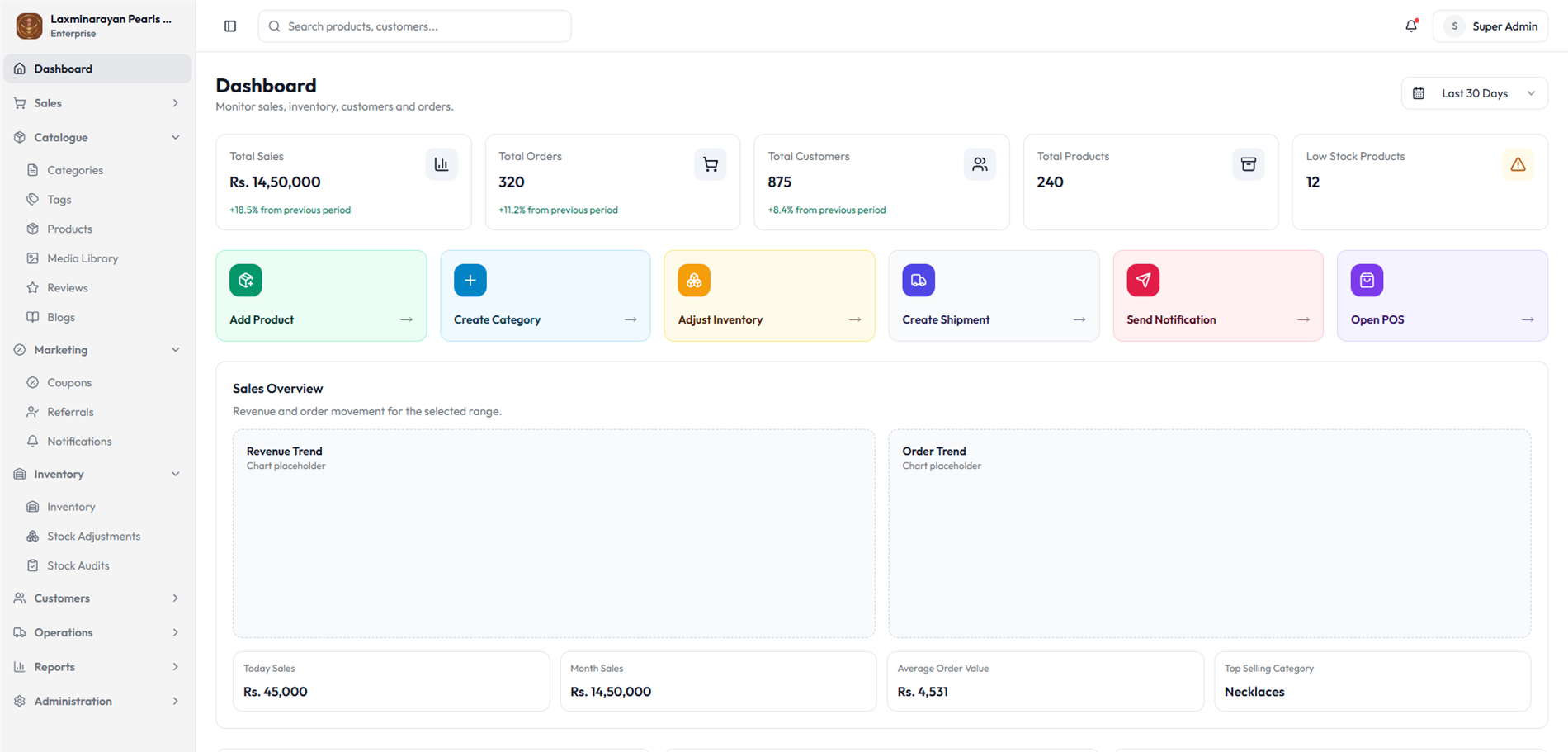 Featured proofLaxminarayan Pearls
Digital Platforms
Operational digital products that connect customers, vendors, hosts and teams through shared workflows.
- Marketplaces
- Booking platforms
- Customer portals
- Vendor and host portals
- Payments and settlements
- Platform administration
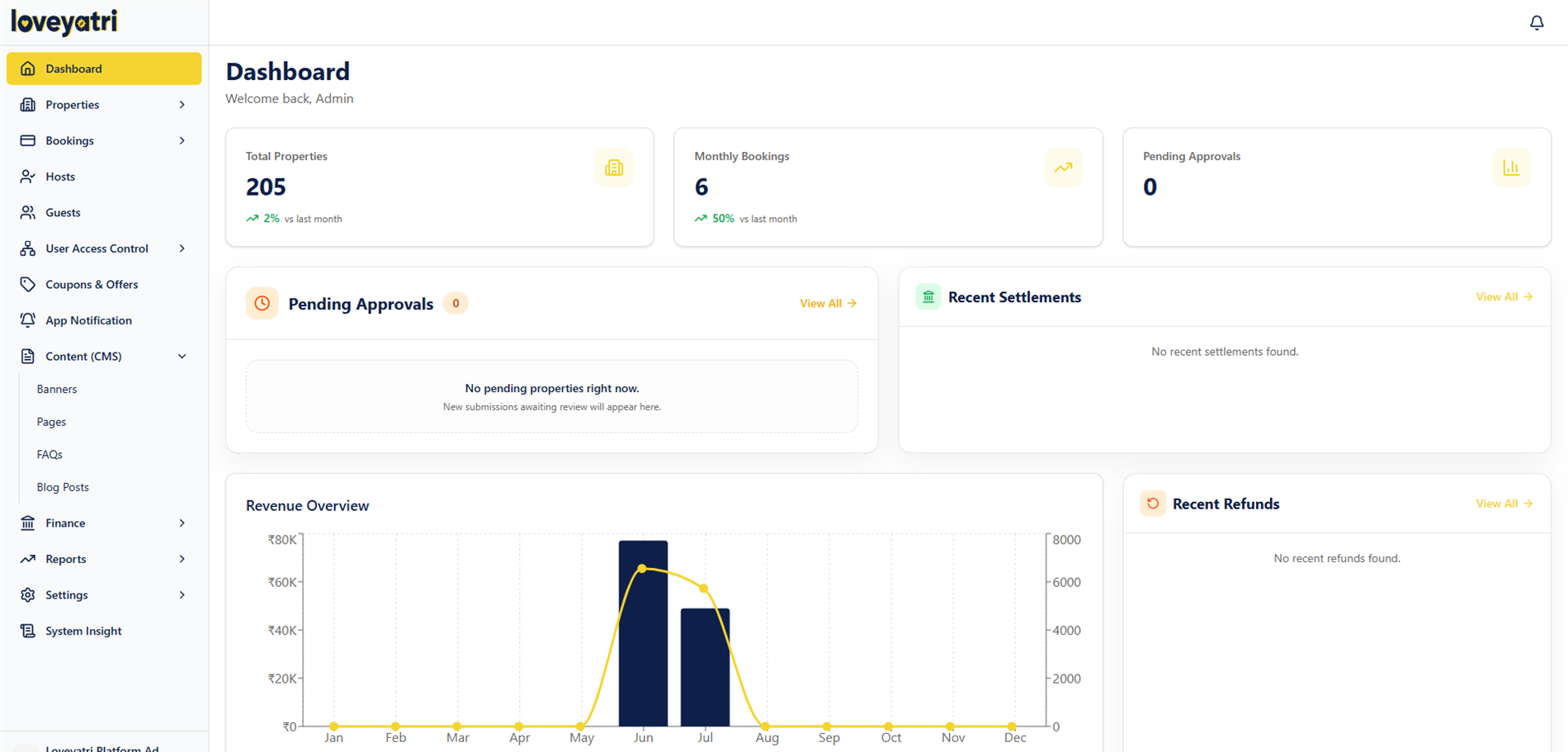 Featured proofLoveyatri
How we work
A practical process from messy workflow to working product
- UnderstandMap workflows, users, existing tools, data, pain points, and the decisions the system must support.
- StructureDefine modules, roles, permissions, integrations, screens, reports, and delivery priorities.
- Design and buildCreate the interface, backend logic, data model, integrations, and admin controls in focused phases.
- Launch and improveDeploy, test, monitor, fix issues, document workflows, and keep improving the product after release.
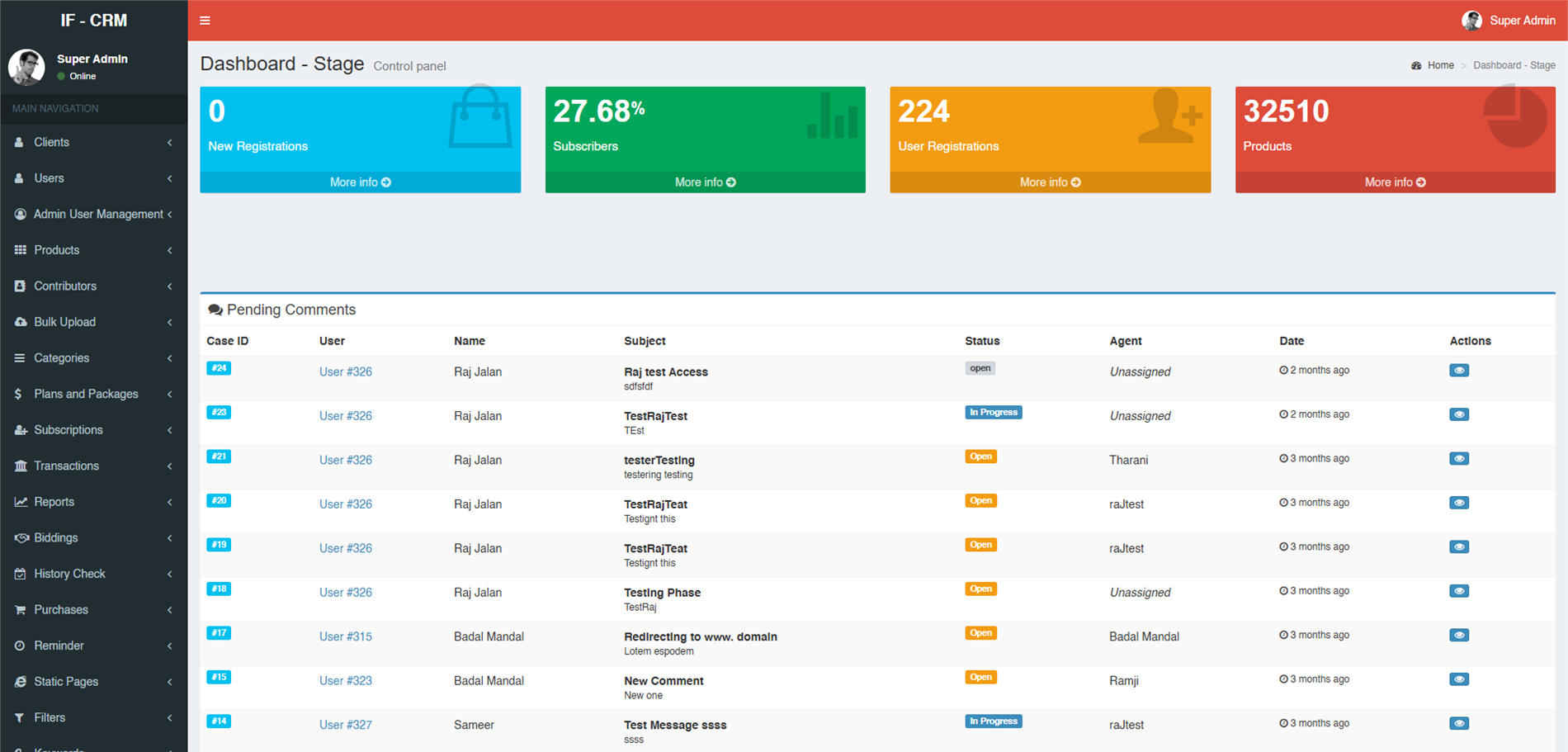
Featured case studies
Proof across the core service areas
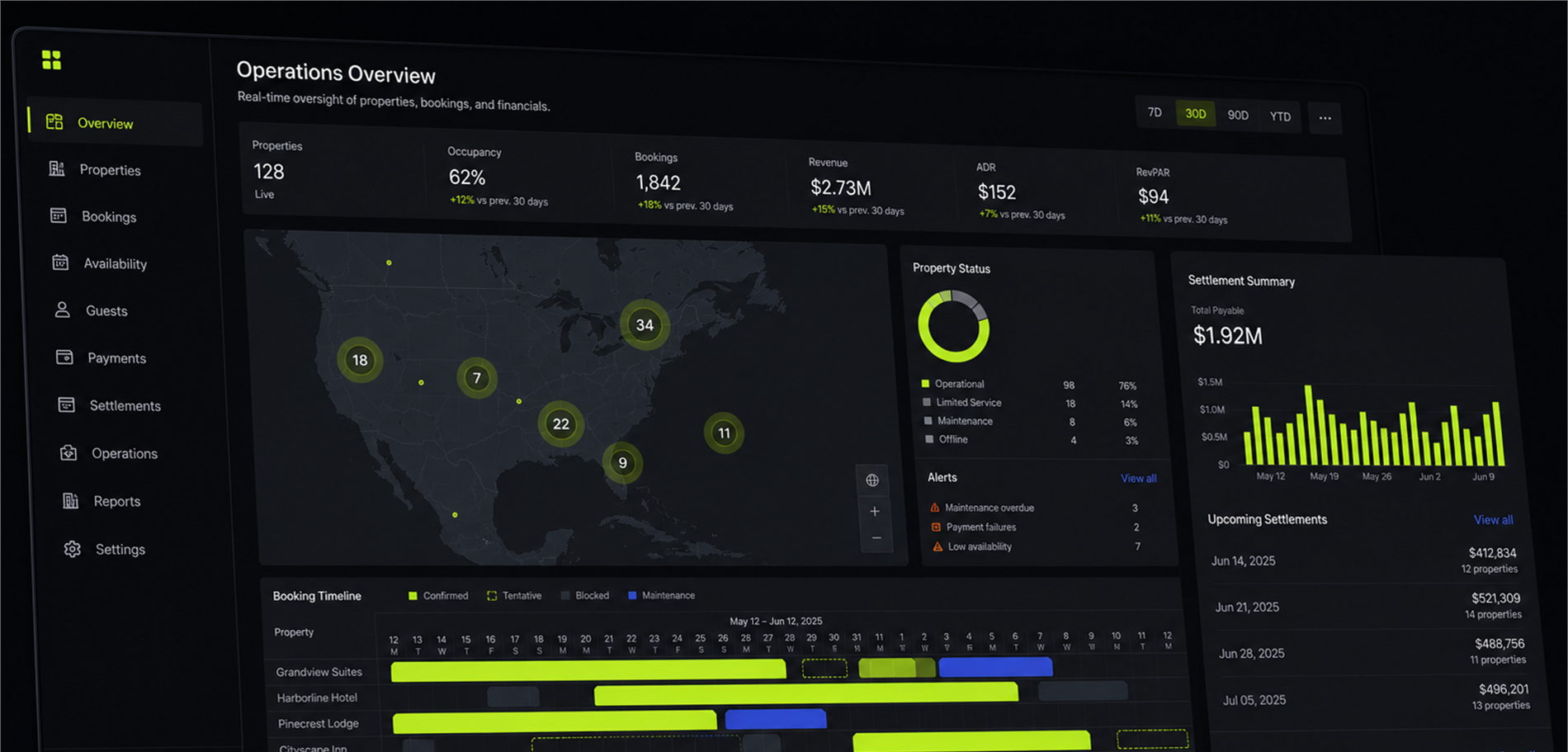
Capabilities
The capabilities behind the system
We use these to build your business system, commerce operations or digital platform. The business requirement guides the technology.Engagement models
Ways we can work together
New platform build
For teams ready to create a custom system, marketplace, commerce platform, CRM, or internal tool from the ground up.
Existing system upgrade
For businesses with an incomplete, unstable, or hard-to-maintain product that needs careful recovery and improvement.
Connect existing workflows
For businesses that need inventory, billing, customers, teams or reporting to work together across tools and locations.
Maintenance and iteration
For live platforms that need ongoing fixes, performance care, new modules, and measured product improvements.
FAQ
Common questions
Do you build from scratch or improve existing systems?
Both. We can plan and build a new product, or take over an existing platform that needs audit, stabilization, fixes, and new workflows.
Can you connect customer-facing platforms with internal operations?
Yes. Many of our projects connect storefronts, booking flows, portals, CRM screens, inventory, billing, reports, and admin controls.
How do you choose the technology?
We start with the business requirement. Design, web and mobile development, APIs, automation and integrations help us build the right system. Shopify or WordPress can support a commerce or content layer where they fit the larger requirement.
What happens after launch?
We support deployment, issue monitoring, bug fixes, improvements, documentation, and planned feature expansion.